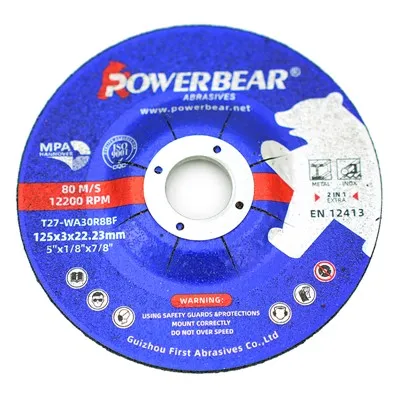




Specification

manufacturing technique

Aplication Area
1. Stainless steel
2. Metal
FAQ
Q1: Are you a trading company or manufacturer?
A1: We are an manufacturer.
Q2: What is your payment term?
A2: Usually T/T 30% deposit, and clear the balance before shipment.
Q3: Can you provide free samples?
A3: Yes, some samples would be free (not contain freight charge) if we have stocks, depending on specific grit size and quantity of products you required.
A4: Except OEM products. generally 7-10 days for trial order. 20-35 days for mass order once deposit received.
Q5: Do you have after-sales services?
A5: We have complete after-sales services, if you encounter any quality problems with our products, please send us as samples,pictures or videos. Once the proof is checked and confirmed, we will give you reasonable compensation for your lost.
Guizhou First Abrasives Co., Ltd. is a professional company dedicated to the research , production ,sales and services of resin bonded cutting wheels and grinding wheels. Form 2009 to 2023,we continue expanding our factory,star having 2 machines until now 35 machines.Our output ,nowadays,keep more than300000pcs/daily. As a high-tech enterprises ,we will continue to increase investment in technology research and development, introduce advanced equipment, improve product testing methods, and focus on the production of high-end products while developing new products to meet market demand.
Why Choose US
Our Factory
Founded in 2009, Guizhou First Abrasives Co., Ltd. is a professional company dedicated to the research, production, sales and services of resin bonded cutting wheels and grinding wheels. The company is located in Shuichang Industrial Park, Longli County, Guizhou Province, and covers an area of over 60000 m2, with a workforce of more than 300 employees.
Production Market
After more than a decade of development, the company's sales channels have expanded across the country, and its products are now exported to 20 countries and regions including Southeast Asia, Europe, America, and the Middle East.
Our Product
Powerbear is our company's best-selling brand in the word.We supply resin-bonded grinding wheel and flap disc.
Resin-boned grinding wheel: Involve cutting disc for metal,cutting disc for inox,2in1 cutting disc and grinding disc.
Flap disc: Invovle Aluminum Oxide Flap Disc,Calcined Aluminum Flap Disc,Zirconia Flap Disc.
Our Certificate
In 2019, the company became a national high-tech enterprise with an annual production capacity of 150 million pieces of cutting and grinding wheels. With advanced technology equipment and strong technical expertise, experienced production, and comprehensive testing methods, the company has obtained ISO9001 quality system certification and 21 unility model patent certificate
Super thin cutting disc is an advanced cutting tool composed of super hard abrasive and reinforced matrix. It has a very thin shape and can easily adapt to various complex cutting paths and angles. The main application areas of this cutting disc include metal processing, non-metallic material cutting, glass cutting, etc.

Crafted from premium quality materials, these discs are incredibly durable and long-lasting, reducing the need for frequent replacements. The ultra-thin design minimizes material loss and heat generation, enhancing both cutting speed and control. This means less downtime and more productivity for your projects.
What is Super Thin Metal Cutting Discs
Ultra thin metal cutting discs in 115mm and 230mm diameters which cut faster than conventional discs by virtue of their reduced thickness. The amount of removed metal is reduced, increasing cutting speed and reducing the heat generated. Particularly suitable for stainless steel. The Fragile 115mm Metal Cutting Disc is a specialized cutting tool designed for precision cutting of various metal materials. This disc, known for its delicate construction, is optimized for applications where fine, accurate cuts are essential. While it offers superior sharpness and efficiency, the disc is inherently more delicate than standard cutting discs and requires careful handling to prevent damage.
Advantages of Super Thin Metal Cutting Discs
Superior cutting performance
Angle grinder cut-off wheels are specifically designed to tackle the toughest cutting tasks with ease. Whether you're working with metal, tiles, concrete, or masonry, these wheels can effortlessly slice through the material, leaving you with a clean and precise cut every time. Say goodbye to uneven cuts and hello to professional-level results!
Precision at your fingertips
The angle grinder cut off wheel provides unparalleled precision, allowing you to achieve clean, accurate cuts with ease. Whether you're shaping metal for a custom project or making precise cuts in ceramic tiles, this tool will be your trusty companion. Its carefully engineered design ensures stability, reducing the risk of wobbling or deviation during operation, giving you the confidence to tackle even the most intricate tasks.
Durable and long-lasting
We understand the importance of investing in tools that can withstand the test of time. That's why our angle grinder cut off wheel is built to last. Crafted from high-quality materials, it boasts exceptional durability and resilience, ensuring it will stay sharp and reliable even after repeated use. Say goodbye to frequent replacements and hello to a tool that's in it for the long haul.
Versatile and efficient
The angle grinder cut off wheel isn't limited to cutting alone. Thanks to its versatile design, it's also perfect for grinding and shaping various materials. From smoothing rough edges to removing rust and paint, this multitasking tool will be your go-to solution. Embrace its versatility and experience the convenience of having one tool that can handle multiple tasks effortlessly.
How to Choose Metal Cutting Disc
Choosing the right cutting disc is crucial to ensure safety and accuracy when cutting different materials such as metal, concrete, tiles, and more. Here are some tips on how to choose the best cutting disc:
Identify the material to be cut: Different cutting discs are designed for cutting specific materials. It's essential to select the right cutting disc for the task at hand to ensure it does not become damaged or cause injury.
Check the thickness of the material: The thickness of the material to be cut will determine the thickness of the cutting disc needed. Using a thin cutting disc on a thick material can cause it to wear down more quickly and break.
Consider the speed of the power tool: Most cutting discs come with a maximum rpm. It's essential to choose a cutting disc that can handle the speed of the power tool you're using.
Look for quality brands: Investing in a high-quality cutting disc is worth it as it will last longer and provide a cleaner cut. Look for reputable brands that manufacture cutting discs with high-quality materials.
Choose the right size: Cutting discs come in various sizes, and it's crucial to choose one that fits the power tool you're using. Using a cutting disc that is too small or too big can cause accidents.
By following these tips, you can choose the right cutting disc for your cutting needs. Always prioritize safety and choose a cutting disc that can handle the task at hand to ensure accuracy and efficiency.
Understanding the Cutting Angle
The angle at which the wheel contacts the metal can dramatically impact the quality of the cut. An improper angle can lead to jagged edges, increased wear on the wheel, and even safety hazards.
A perpendicular angle (90 degrees) is generally the standard for many cutting tasks, and will help ensure an even and clean cut. However, specific tasks may require different angles for optimal results.
Adjusting the Angle
For thinner metals or precision cuts, a slight angle might be more effective in reducing the risk of the metal warping.
In thicker materials, a steeper angle can help initiate the cut more effectively before leveling out to a standard cutting angle.
Technique and Skill: Mastering the approach and angle requires practice and skill, especially when dealing with varying thicknesses and types of metal.
Cutting Pressure and Speed
Optimal Cutting Pressure
Applying the right amount of pressure is crucial. Too much pressure can overburden the wheel and the tool, which can lead to premature wear and potential breakage. On the other hand, insufficient pressure can result in an inefficient cut and increased time.
The correct pressure should allow the wheel to cut through the metal without forcing it. This balance is key to achieving a clean cut and prolonging the wheel's life.

Managing Speed
The speed at which you cut (not to be confused with the RPM of the wheel) also plays a significant role. Moving too fast can cause the wheel to skip or jump, which can lead to an uneven cut, while moving too slowly can generate excessive heat and wear down the wheel.
Finding the right speed often depends on the type of metal, the thickness, and the type of cut required.
Consistent Application
Maintaining consistent pressure and speed throughout the cut is important for achieving a straight and smooth edge.
Variations in speed and pressure can lead to an uneven cut and may also put additional strain on the cutting wheel and the tool.
Proper execution of these techniques not only ensures a higher quality of work, it also helps to extend the life of your cutting wheels and tools.
How to Assess Cutting Disc Performance
Cutting discs, also known as cutting wheels or cut-off wheels, are essential tools in various industries, including metalworking, construction, and manufacturing. The performance of these discs directly affects the efficiency, quality, and cost-effectiveness of cutting operations. Measuring the performance of cutting discs involves evaluating several key parameters to ensure they meet specific requirements and deliver optimal results.
Cutting Speed
Cutting speed is a fundamental metric to measure the performance of cutting discs. It determines how quickly a disc can cut through a material, which directly impacts productivity. To measure cutting speed:
●Set up the Workpiece: Secure the material to be cut in a stable position. Ensure it is the same type and thickness for each test to maintain consistency.
●Operate the Cutting Tool: Use the cutting disc on a powered tool, such as an angle grinder, maintaining a consistent pressure and speed.
●Measure the Time: Start a timer as soon as the disc makes contact with the material and stop it once the cut is complete.
●Calculate the Speed: Divide the thickness of the material by the cutting time to determine the cutting speed in millimeters per second (mm/s).
Higher cutting speeds indicate a more efficient cutting disc, but it's crucial to balance speed with other performance factors like precision and disc wear.
Disc Longevity
Disc longevity or lifespan is another critical performance metric. It refers to how long a cutting disc lasts before it needs to be replaced. To measure disc longevity:
●Initial Weight Measurement: Weigh the cutting disc before use to get its initial weight.
●Conduct Cutting Tests: Use the disc to perform a series of cuts on a standardized material.
●Monitor Performance: Regularly check the disc's performance during the test, noting any decrease in cutting speed or increase in effort required.
●Final Weight Measurement: Weigh the disc after the tests to determine how much material has been worn away.
●Calculate Longevity: Divide the total amount of material cut by the weight loss of the disc to determine the disc's wear rate.
Discs with slower wear rates and longer lifespans are generally more cost-effective and efficient for prolonged use.
Cutting Precision
Cutting precision is essential for applications requiring accurate and clean cuts. To evaluate precision:
●Prepare the Material: Use a workpiece with clear, straight lines marked for cutting.
●Perform the Cut: Use the cutting disc to follow the marked lines, maintaining a steady hand and consistent pressure.
●Evaluate the Cut: Inspect the cut edges for smoothness, straightness, and the presence of burrs or jagged edges.
●Measure Deviation: Use calipers or a micrometer to measure any deviation from the marked line.
A cutting disc that provides high precision will produce clean, straight cuts with minimal deviation, reducing the need for post-cut processing.
Safety
Safety is a paramount consideration when measuring cutting disc performance. A high-performing disc must not only cut efficiently but also do so safely. To assess safety:
●Check for Defects: Inspect the disc for any visible defects such as cracks, chips, or uneven surfaces before use.
●Test Under Load: Use the disc under normal operating conditions and monitor for any signs of instability or breakage.
●Evaluate Vibration: Measure the level of vibration during cutting, as excessive vibration can indicate potential safety issues and cause operator fatigue.
●Monitor Heat Generation: Check the amount of heat generated during cutting. Excessive heat can weaken the disc and the material being cut, posing a safety risk.
Using a cutting disc that maintains structural integrity under stress and produces minimal vibration and heat enhances both operator safety and cutting performance.
Material Compatibility
Material compatibility is crucial for determining the effectiveness of a cutting disc across different types of materials. To evaluate this:
●Test on Various Materials: Use the cutting disc on different materialssuch as steel, aluminum, and stainless steel.
●Measure Performance Metrics: Record cutting speed, precision, and disc wear for each material type.
●Compare Results: Assess how well the disc performs across different materials, noting any significant differences in performance.
A versatile cutting disc that performs well on a range of materials can reduce the need for multiple types of discs, improving efficiency and reducing costs.
The Difference Between Grinding and Cutting Discs
While both discs are used for the same purpose - removing material from a surface - there are some key differences between them.
Grinding discs are thicker, with a coarse grit that quickly removes material to shape or smooth a surface. These discs are ideal for removing rough patches, welds, and burrs from metal, stone, and concrete. They can also be used for sharpening tools or correcting uneven edges.
On the other hand, cutting discs are thinner, with a fine grit that slices cleanly through material. These discs are designed to cut through metal, tile, or masonry. They are perfect for making precise cuts in pipes, rods, and bolts.
One of the biggest differences between grinding and cutting discs is their intended use. While grinding discs are designed for material removal, cutting discs are designed for precision cutting. This is important because using the wrong disc for the task at hand can result in messy cuts or even damage to the materials being worked on.
Another key difference is the amount of heat generated. Because grinding discs are thicker and remove more material, they generate more heat. This makes them best for heavy-duty tasks such as grinding welds or removing rust. Conversely, cutting discs generate less heat, making them ideal for more delicate tasks such as tile cutting.
Grinding and cutting discs both have their place in any toolkit. While they are similar in many ways, their differences make them better suited for specific tasks. Choosing the right disc for the job will ensure that the job is completed efficiently and with a professional finish.
Applications of Cutting Discs in Tool Making
Cutting discs have become an integral tool in modern tool making due to their versatility and superior cutting ability. These wheels are used extensively in various types of cutting applications, including metalworking, woodworking, stone cutting, and glass cutting.
Metalworking: One of the primary applications of cutting discs in tool making is metalworking. Cutting discs are used extensively to cut and shape hard metals such as steel, aluminum, and brass. These wheels are highly efficient and produce precise cuts, making them essential in the fabrication of tools and machinery parts.
Woodworking: Cutting discs are also used in woodworking. They are used to cut and shape wood, making them ideal for the manufacture of furniture, cabinets, and other wood-based products. These wheels are highly efficient and produce precise cuts, making them essential in woodworking.
Stone cutting: Cutting discs are widely used in stone cutting. They are used to cut and shape hard stones such as granite, marble, and quartz. These wheels are highly efficient and produce precise cuts, making them essential in the production of high-quality stone products.
Glass cutting: Cutting discs are also used extensively in glass cutting. They are used to cut and shape glass, making them ideal for the manufacture of glass products such as windows, mirrors, and lenses. These wheels are highly efficient and produce precise cuts, making them essential in the production of high-quality glass products.
FAQ
Hot Tags: super thin metal cutting discs, China super thin metal cutting discs manufacturers, suppliers, factory, Stainless Steel Cutting Disc, Cutting Disc for Metal, Cutting Disc for Stainless Steel, Calcined Aluminum Flap Disc, flap disc, Grinding Wheel for Stone