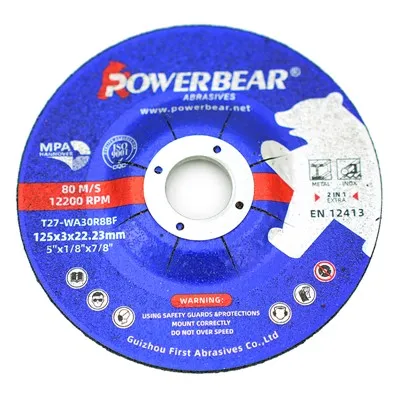



Guizhou First Abrasives Co., Ltd. is a professional company dedicated to the research , production ,sales and services of resin bonded cutting wheels and grinding wheels. Form 2009 to 2023,we continue expanding our factory,star having 2 machines until now 35 machines.Our output ,nowadays,keep more than300000pcs/daily. As a high-tech enterprises ,we will continue to increase investment in technology research and development, introduce advanced equipment, improve product testing methods, and focus on the production of high-end products while developing new products to meet market demand.
Why Choose US
Our Factory
Founded in 2009, Guizhou First Abrasives Co., Ltd. is a professional company dedicated to the research, production, sales and services of resin bonded cutting wheels and grinding wheels. The company is located in Shuichang Industrial Park, Longli County, Guizhou Province, and covers an area of over 60000 m2, with a workforce of more than 300 employees.
Production Market
After more than a decade of development, the company's sales channels have expanded across the country, and its products are now exported to 20 countries and regions including Southeast Asia, Europe, America, and the Middle East.
Our Product
Powerbear is our conpany's best-selling brand in the word.We supply resin-bonded grinding wheel and flap disc.
Resin-boned grinding wheel: Involve cutting disc for metal,cutting disc for inox,2in1 cutting disc and grinding disc.
Flap disc: Invovle Aluminum Oxide Flap Disc,Calcined Aluminum Flap Disc,Zirconia Flap Disc.
Our Certificate
In 2019, the company became a national high-tech enterprise with an annual production capacity of 150 million pieces of cutting and grinding wheels. With advanced technology equipment and strong technical expertise, experienced production, and comprehensive testing methods, the company has obtained ISO9001 quality system certification and 21 unility model patent certificate.

Max speed :80m/s
Aplication method:Angle grinder,Handheld,fixed,and movable cutting machines.

Max speed :80m/s
Aplication method:Angle grinder,Handheld,fixed,and movable cutting machines.

Cut Off Discs4.5Inch for Stainless Steel
The cutting disc is made of resin as a binder and combines a variety of materials. It has particularly remarkable cutting performance for cutting materials such as alloy steel and stainless steel.
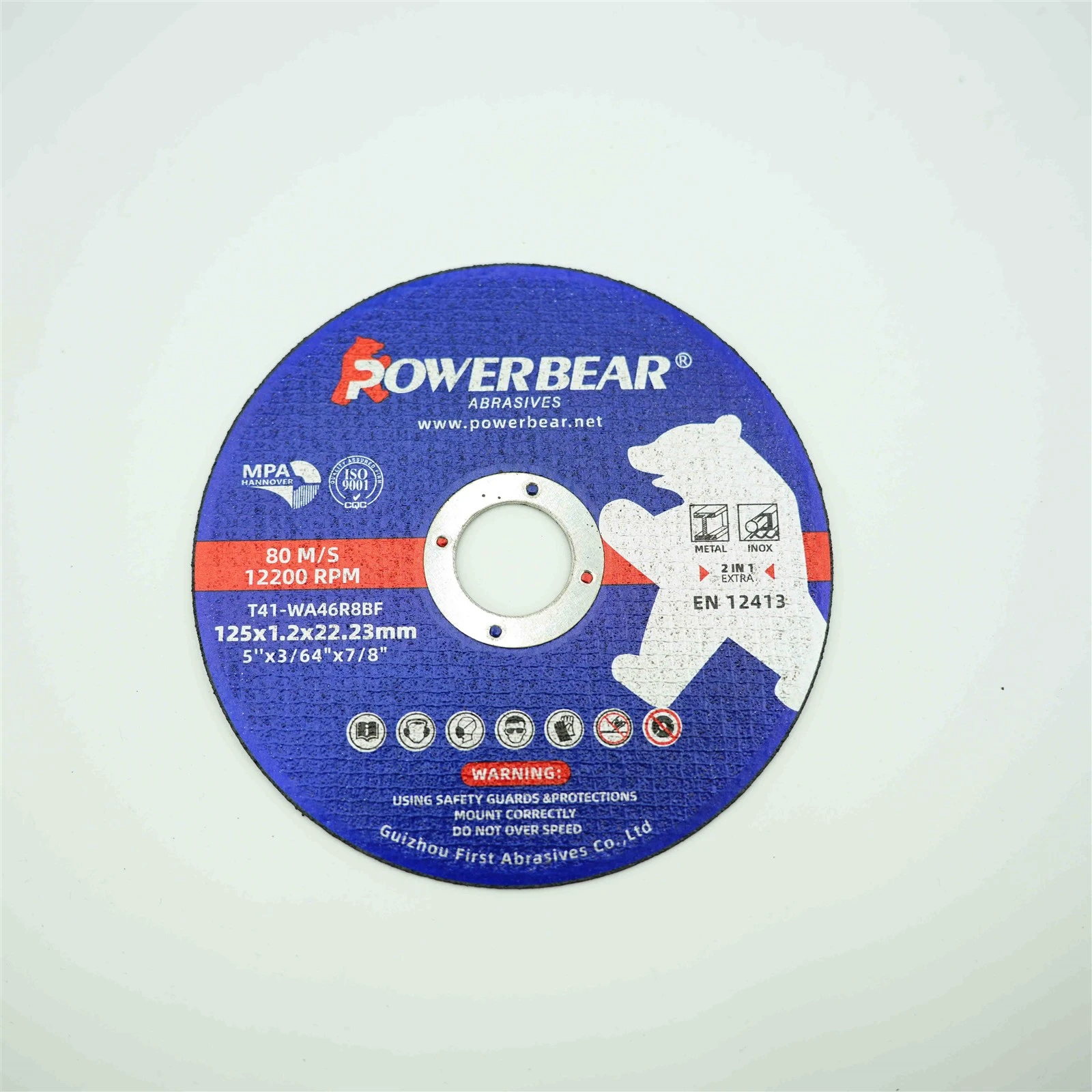
125*1.2*22.23mmCutting Disc For Metal And Inox
Max speed :80m/s
Aplication method:Angle grinder,Handheld,fixed,and movable cutting machines.
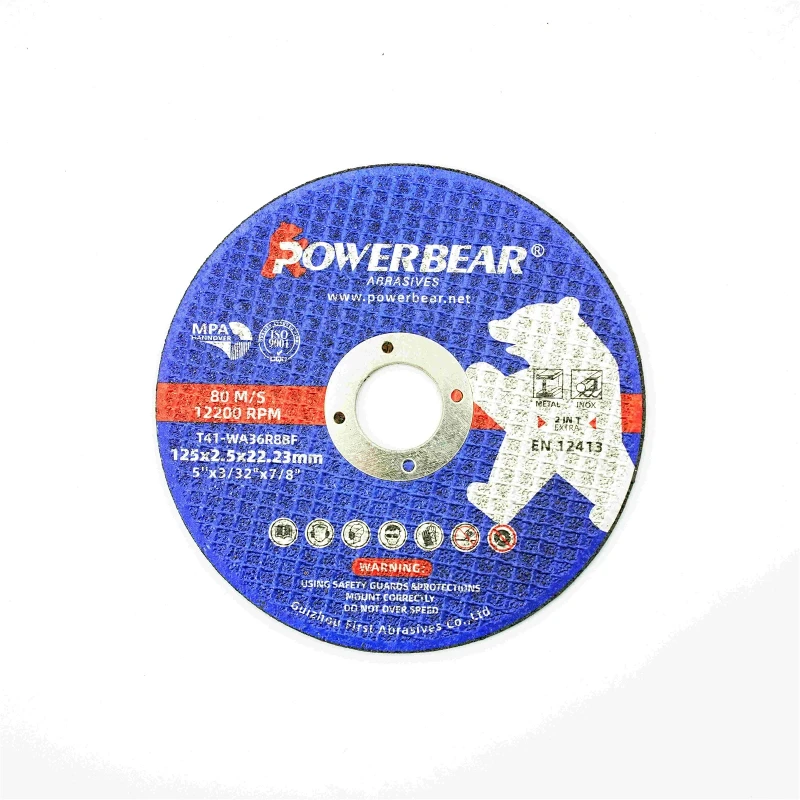
Max speed :80m/s
Aplication method:Angle grinder,Handheld,fixed,and movable cutting machines
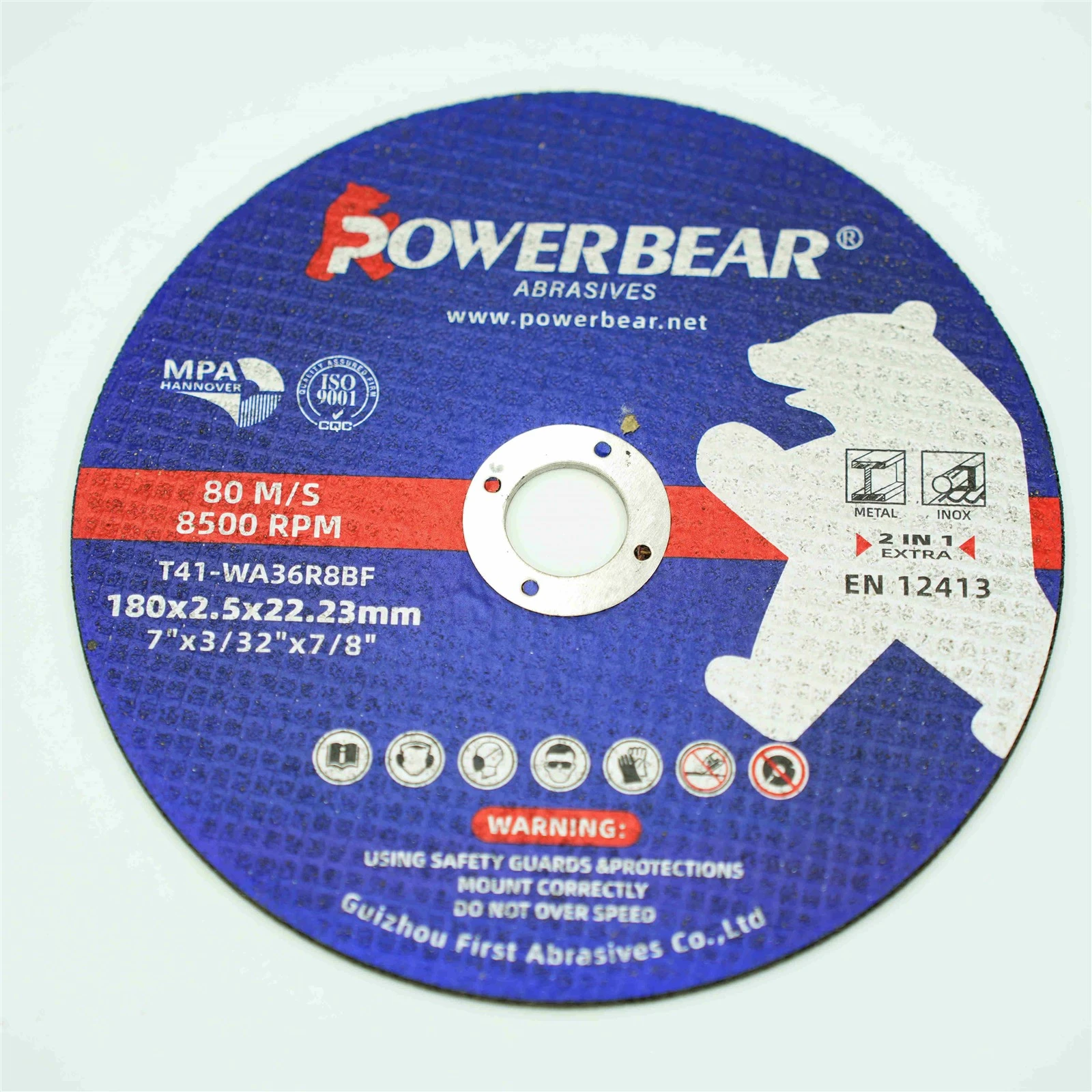
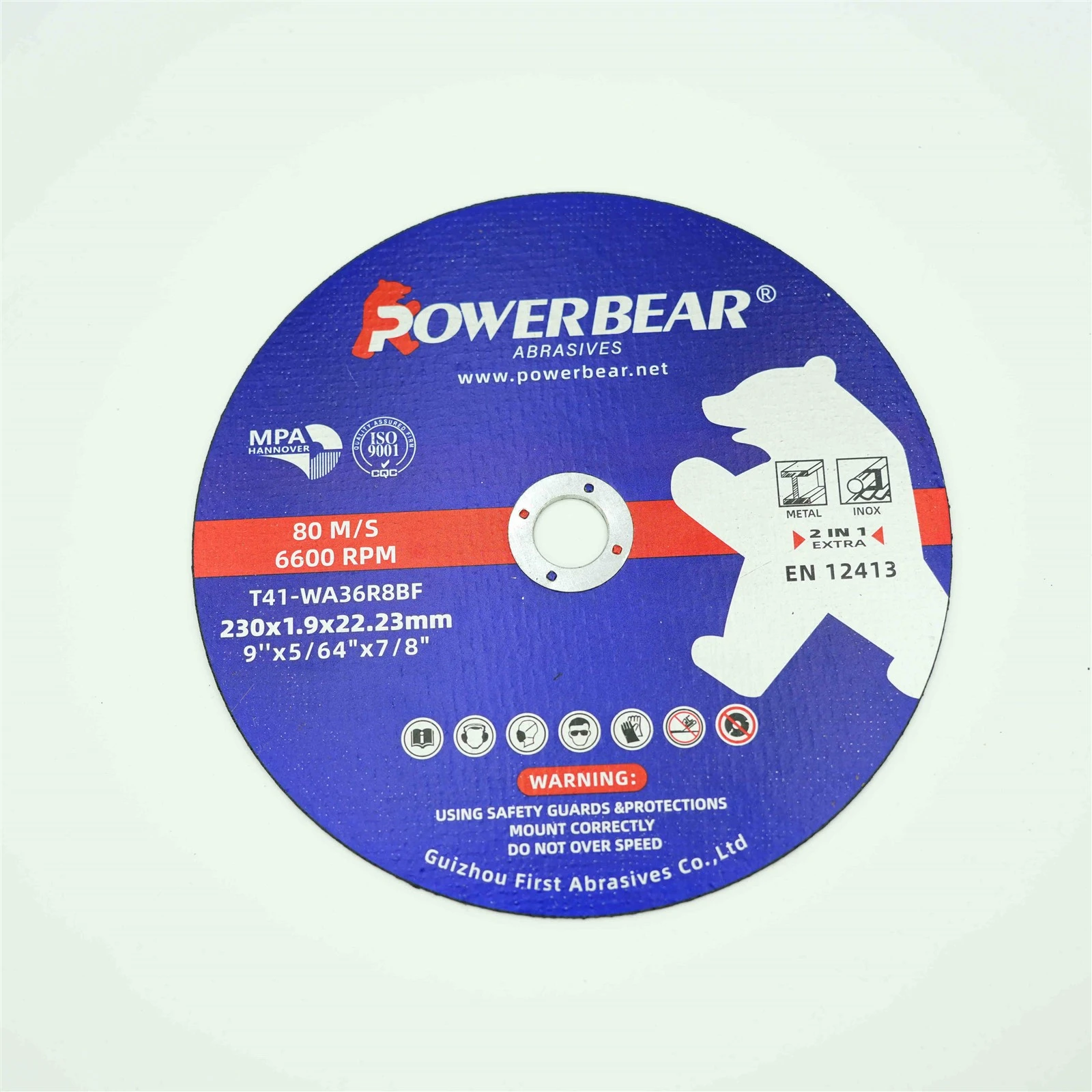
Cutting Disc for Angle Grinder
Max speed :80m/s
Aplication method:Angle grinder,Handheld,fixed,and movable cutting machines.
Stainless Cutting Discs,These discs are designed for use with various types of grinder. Ultra thin means that less heat is produced while cutting. Suitable for stainless steel and harder alloys as well as mild steel. Metal cutting discs cut through a variety of materials, including steel, iron and aluminium. These discs come in a range of sizes and thicknesses to fit large, small or mini angle grinders. When choosing a metal cutting or grinding disc, consider the size of your grinder and the thickness of the material you're cutting.
Advantages of Cut Off Discs for Stainless Steel
High-performance abrasives, brown corundum, white corundum, zirconium corundum, single crystal corundum, chromium corundum, etc.
The flatness is high, the cutting piece will not burn the workpiece, and the workpiece is still very smooth after cutting.
The sharpness is good.After cutting, the incision is still bright as new.
High durability, one or two of the well-known manufacturers, which has been tested many times.
Professional for cutting precious metals such as metal and stainless steel.
The cutting disc without iron sulfide and 0.5mm can be equipped with a reinforcing mesh, which is safe and efficient.
Using high-quality glass fiber and resin as a reinforcing agent material, with high tensile and impact strength, professionally used in the production of stainless steel and other precious metals, excellent material cutting, exquisite workmanship to ensure good protection, with high cutting efficiency and best economic effect.
Material Introduction of Stainless Steel Cut off Wheel
There are many types of stainless steel cutting discs. The silicon carbide cutting wheel is the hardest, and the brown corundum cut off wheel is the weakest.
White corundum: It is made from industrial alumina powder, smelted and cooled in a high temperature above 2000 degrees in an arc, pulverized and shaped, magnetically removed iron, and sieved into a variety of particle sizes. Its texture is dense, high hardness, and granular Formed with a sharp angle, it is suitable for manufacturing ceramics, resin-consolidated abrasives, grinding, polishing, sandblasting, precision casting (corundum for precision casting), etc., and can also be used for manufacturing advanced refractory materials.
Brown corundum: The main raw materials are bauxite and coke (anthracite),and is smelted in an electric arc furnace at high temperature. The abrasive tools made from it are suitable for grinding higher tensile metals such as various General-purpose steel, malleable cast iron, hard bronze, etc., can also manufacture advanced refractory materials. It has the characteristics of high purity, good crystallization, strong fluidity, low linear expansion coefficient, and corrosion resistance.
Silicon Carbide: The raw materials are quartz sand, petroleum coke (or coal coke) and wood chips. The machine melts these materials at high temperature to make silicon carbide. Among today's non-oxide high-tech refractory materials, such as C, N, B, silicon carbide is the most widely used and most economical one.
Specifications of Stainless Steel Cutting Wheel
| Size | Type | Application | Specification | Speed | R.P.M |
| 115 x 0.8 x 22.23 | T41 | WA46R8BF | SS(INOX)/S | 80m/s | 13300 |
| 115 x 1 x 22.23 | T41 | WA46R8BF | INOX | 80m/s | 13300 |
| 125 x 1 x 22.23 | T41 | WA46R8BF | INOX | 80m/s | 12200 |
| 107 x 1.2 x 16 | T41 | WA46R8BF | SS/S | 80m/s | 15300 |
| 115 x 1.2 x 22.23 | T41 | WA46R8BF | SS/S | 80m/s | 13300 |
| 115 x 1.6 x 22.23 | T41 | WA46R8BF | SS/S | 80m/s | 13300 |
| 125 x 1.2 x 22.23 | T41 | WA46R8BF | SS/S | 80m/s | 12200 |
| 125 x 1.6 x22.23 | T41 | WA46R8BF | SS/S | 80m/s | 12200 |
| 150 x 1.6 x 22.23 | T41 | WA46R8BF | SS/S | 80m/s | 10200 |
| 180 x 1.6 x22.23 | T41 | WA46R8BF | SS/S | 80m/s | 8600 |
| 230 x 1.9 x22.23 | T41 | WA46R8BF | SS/S | 80m/s | 6600 |
Safety Guidelines for Using Cut-Off Wheels of Different Diameters
Personal Protective Equipment (PPE): Always wear appropriate PPE, including safety goggles, face shields, ear protection, gloves, and protective clothing. This gear protects against flying debris, sparks, and noise.
Inspection: Before use, inspect the cut-off wheel for cracks, chips, or other damage. Do not use damaged wheels as they can break during operation and cause injuries.
Correct Mounting: Ensure the wheel is mounted correctly on the grinder or machine. Improper mounting can lead to wheel imbalance and increase the risk of breakage.
Machine Guards: Always use the safety guards provided with the machine. They act as a barrier between the operator and the wheel, reducing the risk of injury from flying fragments.
Wheel Speed: Check the maximum operating speed of the cut-off wheel and ensure it matches the grinder's RPM. Using a wheel at a higher speed than its rating can cause it to shatter.
Secure Workpiece: Ensure the material being cut is securely clamped or held in place. Loose workpieces can cause the wheel to bind and break.
Proper Handling: Handle cut-off wheels with care to avoid dropping or damaging them. Store them in a dry, cool place to prevent moisture damage and warping.
Small diameter cut-off wheels are commonly used in handheld angle grinders for tasks requiring precision and maneuverability. Here are specific safety practices for these wheels:
Appropriate Grinders: Use grinders that are compatible with small diameter wheels. Ensure the tool is designed for the wheel size to maintain control and safety.
Controlled Cuts: Avoid forcing the cut-off wheel through the material. Apply light pressure and let the wheel do the cutting to prevent binding and wheel breakage.
Ergonomics: Maintain a firm grip on the grinder with both hands to control the tool and reduce fatigue. Proper ergonomics also help in achieving accurate cuts.
Kickback Prevention: Be cautious of kickback, which occurs when the wheel suddenly binds in the material and jerks the grinder. To prevent this, cut in a straight line and avoid twisting the wheel in the cut.
Frequent Breaks: Take regular breaks to prevent overheating of the wheel and the grinder. Overheating can weaken the wheel and increase the risk of failure.
Medium diameter cut-off wheels are used for heavier cutting tasks and are often mounted on stationary or semi-stationary machines. Safety practices for these wheels include:
Sturdy Machines: Ensure the machine is robust and stable, suitable for the wheel size. A stable machine reduces vibrations and improves cutting accuracy.
Proper Alignment: Align the cut-off wheel with the workpiece correctly. Misalignment can cause uneven cuts and increase the risk of wheel breakage.
Slow and Steady Cuts: Use a consistent, steady feed rate while cutting. Avoid pushing the wheel too hard, as it can cause excessive heat and stress on the wheel.
Regular Maintenance: Maintain the machine and the wheel regularly. Check for wear and tear, and replace any damaged parts immediately to ensure safe operation.
Coolant Use: If applicable, use coolant to reduce heat buildup during cutting. Excessive heat can weaken the wheel and cause it to fail.
Large diameter cut-off wheels are typically used in industrial settings for cutting large or thick materials. They require additional safety considerations due to their size and the power of the machines used:
Heavy-Duty Machines: Use heavy-duty machines specifically designed for large diameter wheels. These machines are built to handle the stress and provide stability during cutting.
Securing Large Workpieces: Ensure large workpieces are securely clamped and supported to prevent movement during cutting. Movement can cause the wheel to bind and break.
Controlled Environment: Operate large cut-off wheels in a controlled environment with sufficient space. Ensure that bystanders are at a safe distance to avoid injury from flying debris.
Slow Start: Start the machine slowly to bring the wheel up to speed gradually. A slow start reduces the initial stress on the wheel and the machine.
Two-Handed Operation: Use both hands to operate the machine, maintaining control and balance. Large wheels generate significant forces that require firm control.
Emergency Stop: Ensure the machine is equipped with an emergency stop button within easy reach. In case of an emergency, the operator should be able to stop the machine immediately.
Disc Type: Each type is designed for specific applications and materials, so choose the one that suits your cutting requirements.
Material Compatibility: Consider the type of metal you'll be cutting. Different discs are designed for cutting various metals, including steel, stainless steel, aluminum, or cast iron. Ensure that the disc you choose is compatible with the metal you're working with to achieve optimal results.
Disc Size: Metal cutting discs come in various sizes, typically ranging from 4 to 14 inches in diameter. Select a disc size that fits your cutting tool (e.g., angle grinder) and is appropriate for the size of the workpiece you're cutting.
Thickness: The thickness of the cutting disc affects its stability, durability, and cutting speed. Thicker discs are generally more robust and offer longer life but may sacrifice cutting speed. Thinner discs provide faster cutting but may wear out more quickly. Consider the balance between cutting speed and disc longevity based on your project requirements.

Speed Rating: Check the speed rating of the cutting disc and ensure it matches the maximum RPM (revolutions per minute) of your cutting tool. Exceeding the disc's speed rating can be dangerous and lead to accidents.
Quality and Brand: Choose reputable brands known for producing high-quality cutting discs. Quality discs tend to offer better performance, durability, and safety. Look for discs that meet industry standards and regulations to ensure their reliability.
Application: Consider the specific application and cutting task. For instance, if you need to make precise cuts or intricate designs, a finer or thinner disc might be suitable. For heavy-duty cutting or rough shaping, a more robust disc may be necessary.
Safety Features: Check if the cutting disc has any additional safety features, such as reinforced construction or special coatings that reduce heat buildup or minimize sparks. These features can enhance safety during cutting operations.
Cost: While it's essential to consider your budget, prioritize quality and suitability over price alone. Investing in a reliable and appropriate cutting disc can improve efficiency, produce better results, and enhance safety.
The Reason of the Cutting Discs Are Soft During the Cutting Process
Stop cutting
As soon as you notice that the cutting disc becomes soft, stop the cutting process immediately. Continued use of a floppy disk may be dangerous and may cause the cutting disk to break or cause accidents.
Assess the situation
Assess possible causes of softening. There can be several reasons for a cutting disc to become soft, including excessive heat generation, incorrect cutting parameters, improper disc selection, or poor disc quality. Understanding the root cause will help determine the appropriate corrective measures.
Check the cutting parameters
Review the cutting parameters you are using, such as cutting speed, feed rate, and pressure. Excessive heat generation is a common cause of softening discs. Be sure to work within the recommended parameters specified by the disc manufacturer. Adjusting the cutting parameters, such as reducing the cutting speed or adjusting the feed rate, can help reduce heat build-up and prevent blade softening.
Cool the disc and workpiece
If heat generation is identified as the primary cause of cutting disc softening, implement cooling measures. Use coolant or cutting fluids specifically designed for the material being cut. Apply coolant directly to the cutting area to dissipate heat and prevent the blade from softening. Make sure the workpiece and cutting disc are properly cooled throughout the cutting process.
Check the disc quality
If the cutting disc is consistently soft, even with proper cutting and cooling parameters, it may indicate a problem with the cutting disc itself. Check the quality and authenticity of the cutting disc. Make sure you use a high quality cutting disc from a reputable manufacturer. Counterfeit or substandard discs may have inferior bonding agents or abrasive materials, leading to premature softening. Switching to a reliable and certified cutting disc can significantly improve performance and prevent wear problems.
Select the appropriate disk
Be sure to use the correct type of cutting disc for the material being cut. Different materials require different types of cutting discs with specific abrasives and types of bonding. Using the wrong cutting disc can result in ineffective cutting and softening. Consult the manufacturer's recommendations and instructions to select the right cutting disc for your specific application.
Monitor disk wear
Regularly inspect the cutting disc for signs of wear and damage. Excessive wear can cause the cutting disc to soften. If the disc is worn or damaged, replace it with a new one immediately. Continued use of a worn cutting disc may compromise cutting efficiency and increase the risk of disc failure.
Safety first
Always prioritize safety when working with cutting discs. Softening the disc may result in disc breakage, flying debris, or accidents. Wear appropriate personal protective equipment (PPE), including goggles, gloves and protective clothing. Ensure work area is clear of bystanders and follow proper safety instructions and procedures.
FAQ
Hot Tags: cut off discs for stainless steel, China cut off discs for stainless steel manufacturers, suppliers, factory, 4 cutting Disc, Grinding Wheels, flap disc, 4 107 1 2 16mm Cutting Disc for Stainless Steel and Metal, 2in1 Cut off Wheels, grinding disc