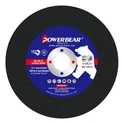

When it comes to grinding operations, the choice between wet and dry grinding methods can significantly impact the efficiency, quality, and safety of the process. Grinding wheels are at the heart of these operations, and an important question arises: Are there any grinding wheels designed specifically for wet grinding only? As a supplier of a wide range of grinding wheels, I delve into this topic to provide insights and guidance for those in need of the right grinding solutions.
Understanding Wet Grinding
Wet grinding involves the use of a coolant or lubricant during the grinding process. This coolant serves several crucial functions. Firstly, it helps to dissipate heat generated during grinding. High temperatures can lead to various problems, such as thermal damage to the workpiece, dulling of the grinding wheel, and poor surface finish. By removing heat, the coolant maintains the integrity of both the workpiece and the grinding wheel, resulting in a more precise and reliable grinding operation.
Secondly, the coolant acts as a lubricant, reducing friction between the grinding wheel and the workpiece. This not only prolongs the life of the grinding wheel by minimizing wear but also allows for smoother cutting action, which can improve the surface quality of the workpiece. Additionally, the coolant helps to flush away the grinding chips and debris from the grinding zone, preventing them from clogging the grinding wheel and interfering with the cutting process.
Grinding Wheels for Wet Grinding
In the market, there are indeed grinding wheels designed specifically for wet grinding. These wheels are engineered to work optimally in a wet environment, taking advantage of the benefits provided by the coolant. For example, some wet - grinding wheels are made with a special bonding material that is more resistant to water and chemical attack. This ensures that the wheel structure remains intact during the wet grinding process, maintaining its shape and cutting performance over time.
The abrasive grains used in wet - only grinding wheels are also carefully selected. They are often designed to have a specific friability, which is the ability to break down and expose new sharp edges during grinding. In a wet environment, the coolant helps to control the wear rate of these grains, allowing for a consistent and efficient grinding process.
Advantages of Wet - Only Grinding Wheels
1. Enhanced Heat Dissipation: As mentioned earlier, wet grinding wheels are excellent at dissipating heat. This is especially important when grinding hard or heat - sensitive materials. For example, when grinding high - strength alloys or ceramics, excessive heat can cause cracking, deformation, or changes in the material's microstructure. Wet - only grinding wheels help to prevent these issues by keeping the temperature in check, ensuring the workpiece's dimensional accuracy and mechanical properties.
2. Long Wheel Life: The combination of lubrication and heat dissipation provided by the coolant in wet grinding significantly reduces the wear on the grinding wheel. This means that wet - only grinding wheels can last longer than their dry - grinding counterparts, resulting in lower overall operating costs. With less frequent wheel changes, production downtime is also minimized, increasing productivity.
3. Improved Surface Finish: The lubricating action of the coolant and the consistent cutting performance of wet - only grinding wheels contribute to a superior surface finish on the workpiece. This is crucial in applications where a smooth and defect - free surface is required, such as in the aerospace, automotive, and medical industries.
Applications of Wet - Only Grinding Wheels
Wet - only grinding wheels are used in a variety of industries and applications. In the automotive industry, they are commonly used for grinding engine components, such as crankshafts and camshafts. These components require high precision and a good surface finish, and wet grinding helps to achieve these requirements while also protecting the expensive materials used.
In the precision machining of parts for the electronics industry, wet - only grinding wheels are essential. The small size and high precision requirements of electronic components demand a grinding process that can produce accurate dimensions and a smooth surface without causing heat - related damage.
In the metal fabrication industry, wet grinding is used for tasks such as deburring, edge finishing, and shaping of metal parts. Grinding Wheel for Aluminum is an example of a specialized wet - grinding wheel used for processing aluminum materials. Aluminum is a soft metal that can easily clog a grinding wheel if not properly cooled and lubricated. A wet - only grinding wheel designed for aluminum can effectively remove material while maintaining a clean and efficient grinding operation.
Comparison with Multi - Purpose Grinding Wheels
While there are clear advantages to wet - only grinding wheels, multi - purpose grinding wheels also have their place in the market. Multi - purpose wheels can be used in both wet and dry grinding applications, offering flexibility to users who may not have a dedicated wet - grinding setup. However, they may not perform as well as wet - only wheels in wet - grinding applications.
Multi - purpose wheels are often a compromise in terms of their design and materials. They need to be able to withstand both dry and wet conditions, which may limit their ability to fully optimize the benefits of wet grinding. For example, their bonding materials may not be as resistant to water as those of wet - only wheels, and their abrasive grains may not be specifically tuned for wet - grinding environments.
Our Product Range
As a grinding wheel supplier, we offer a comprehensive range of wet - only grinding wheels to meet the diverse needs of our customers. Our Flixable Grinding Disc is designed for precision wet grinding of various materials. It features a flexible structure that can adapt to different surface geometries, providing a uniform and high - quality grind.
Our 2in1 Grinding Wheels are another innovative product in our lineup. These wheels combine two different types of abrasive materials or grinding functions in a single wheel, offering enhanced versatility and efficiency in wet - grinding operations. Whether you need to remove a large amount of material quickly or achieve a fine finish, our 2in1 grinding wheels can provide the solution.
Why Choose Our Wet - Only Grinding Wheels
1. Quality Assurance: We adhere to strict quality control standards in the manufacturing of our wet - only grinding wheels. Each wheel is carefully inspected and tested to ensure its performance, durability, and safety. This gives our customers the confidence that they are using a reliable product that will deliver consistent results.
2. Technical Expertise: Our team of experts has extensive knowledge and experience in the field of grinding technology. We are able to provide professional advice and support to our customers, helping them select the right grinding wheel for their specific applications. Whether you are a small workshop or a large industrial manufacturer, we can work with you to optimize your grinding process.
3. Customization Options: We understand that different customers may have unique requirements for their grinding operations. That's why we offer customization options for our wet - only grinding wheels. We can tailor the abrasive grain, bonding material, and wheel shape according to your specific needs, ensuring that you get a grinding wheel that is perfectly suited to your application.


Contact Us for Your Grinding Needs
If you are looking for high - quality wet - only grinding wheels or need more information about our products, we encourage you to get in touch with us. Our sales team is ready to answer your questions, provide detailed product specifications, and assist you in placing an order. Whether you are a new customer or a long - time partner, we are committed to providing you with the best grinding solutions and excellent customer service.
References
- "Grinding Technology: Theory and Applications of Machining with Abrasives" by Stephen Malkin.
- "Modern Grinding Technology" edited by Dingkun Guo and Yixiang Xu.
- Industry reports on grinding wheel manufacturing and applications.